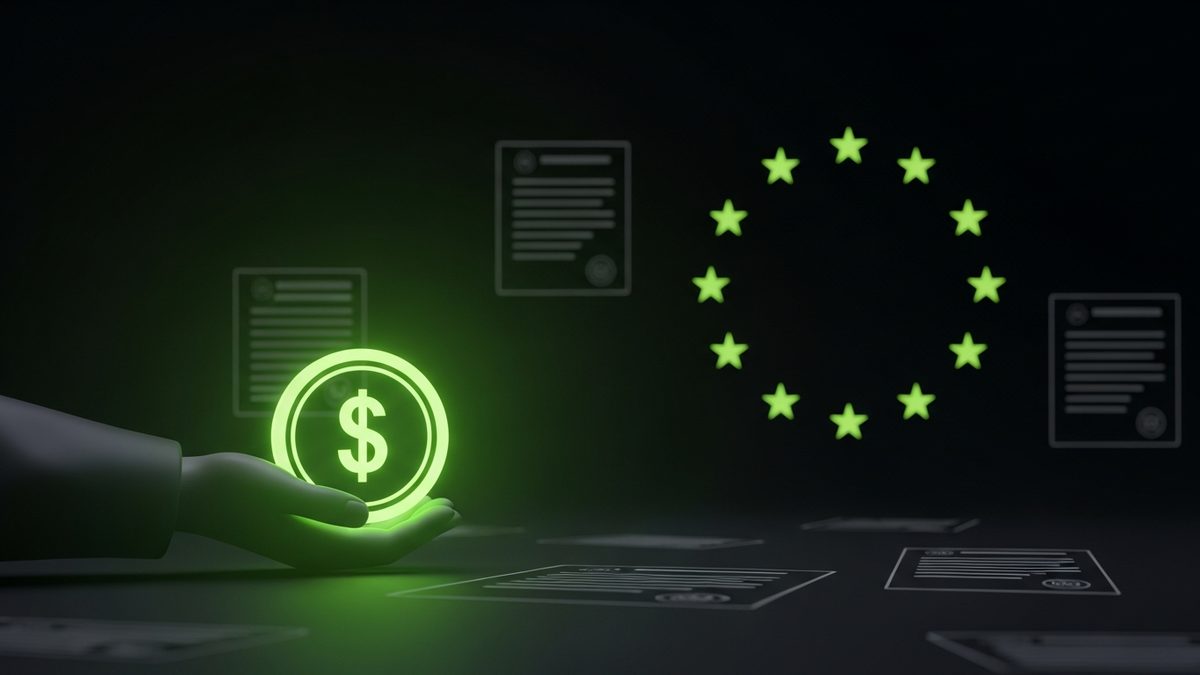
Binance and the EU: what MiCA means for your money in 2026
If you keep money on Binance and live in the EU, you have probably seen the headlines. Here is what actually happened, in plain language, and what it means for you.
What happened
From July 1, 2026, Binance is suspending most of its services for people who live in the European Union. The reason is a new EU rulebook called MiCA. Binance did not hold the license MiCA now requires by the deadline, so it has to pause new activity for EU users.
It is worth being precise, because the headlines are dramatic and the reality is calmer. This is a suspension, not a shutdown. Binance has said user funds stay safe and accessible and that withdrawals remain open. The company also says it is not leaving Europe for good and plans to apply for a license in another EU country and return.
What is MiCA?
MiCA stands for Markets in Crypto-Assets. It is the EU's single rulebook for crypto, and it replaces the old patchwork where every country had its own rules.
The idea is simple. From July 1, 2026, a company needs a proper license from one EU member state to offer crypto services. Once it has that license, it can operate across all 27 countries. A company that does not have one has to wind down its EU activity.
The bar is high on purpose. MiCA sets rules on how customer funds are protected, how companies are governed and how money laundering is prevented. Far fewer firms cleared it than tried. That is the whole point of the regulation: fewer gaps, more protection for the people using these services.
Why this is bigger than one company
It is easy to read this as a Binance story. It is really a story about who controls your money.
When you keep money on an exchange, you are trusting that company to hold it for you. That works right up until something changes that you did not choose. A licensing deadline. A new rule. A decision in a boardroom or a regulator's office. Suddenly your access depends on someone else's paperwork.
This is the quiet lesson of the past week. Your access to your own money should not hinge on whether a company files the right form in time.
What are your options?
If you are an EU user weighing your next move, there is no rush and no need to panic. A few sensible steps:
- Read the official messages from your provider carefully. Do not act on screenshots or messages from strangers.
- Check whether your provider is licensed to operate in the EU. If you are unsure, that uncertainty is itself useful information.
- Decide deliberately where you want your money to live. The best choice is one where you stay in control, not one where access can be switched off without you.
For a lot of people, the takeaway is bigger than picking another exchange. It is about wanting digital dollars you can actually use, in a wallet that belongs to you.
A different way to hold digital dollars
This is exactly the gap Blipply was built for. Blipply is a digital dollar platform with everything in one account: payments, savings, the option to buy and invest in crypto, a Visa card accepted in 200+ countries and a full set of tools for people who run a business.
The difference is ownership. Blipply is non-custodial, so it is a wallet you fully own. We never hold your money. Your keys are yours. No company, no boardroom and no regulator can freeze your balance, pause your access or decide what you do with your money. What just happened to EU users on Binance cannot happen to you on Blipply, because there is no middleman holding your funds in the first place.
Moving over is simple. If you are leaving Binance or any other exchange, you can bring your crypto into Blipply across many of the coins you already hold, and keep them in a wallet that answers only to you.
You are not limited to dollars either. Inside the same app you can save and invest in crypto, including Bitcoin, so your money can grow on your terms while you stay fully in control.
You can add money your way, spend with a Visa card, send to anyone wallet-to-wallet for free and keep your money in stable digital dollars that do not shrink while you sleep. One account, wherever life takes you.
Your money. Your rules. Get started with Blipply.
This article explains a fast-moving regulatory situation and is for general information only. It is not legal or financial advice. Details about licensing, regulator positions and timelines reflect reporting available as of June 2026 and can change quickly. If you have questions about an account with any provider, rely on official communications from verified sources.
Frequently asked questions
Is Binance leaving the EU?
Not permanently. Binance is suspending most services for EU residents from July 1, 2026 because it did not hold a MiCA license by the June 30 deadline. The company says it intends to relicense in another EU member state and return.
Are my funds on Binance safe?
Binance states that user assets remain safe and accessible and that withdrawals stay open. This is a service suspension, not a freeze on existing balances. Always rely on official communications from verified sources.
What is MiCA?
MiCA is the EU's single rulebook for crypto. From July 1, 2026 a company needs a license from one EU member state to offer crypto services across all 27 countries. Firms without one must wind down their EU activity.
Can I move my crypto from Binance to Blipply?
Yes. If you are leaving Binance or another exchange, you can bring your crypto into Blipply across many of the coins you already hold. Because Blipply is non-custodial, you keep your own keys, so no company can freeze or suspend your access the way an exchange can. You can also save and invest in crypto, including Bitcoin, inside the same app.
Related articles

The trend banks cannot stop
People are done asking permission to use their own money. Here is why that changes everything.
10 Jun 2026
Part 3: The default is not neutral
Self-custody exists, it works, and millions of people use it. The fact that it remains the minority choice is not an accident. It is a design outcome.
5 Jun 2026
Part 2: Your keys, your money
Every savings account, pension fund, brokerage account and crypto exchange has one thing in common: someone else holds the keys. There is another way to own assets — it is called self-custody.
4 Jun 2026